
-
Days
-
Hours
-
Minutes
-
Seconds


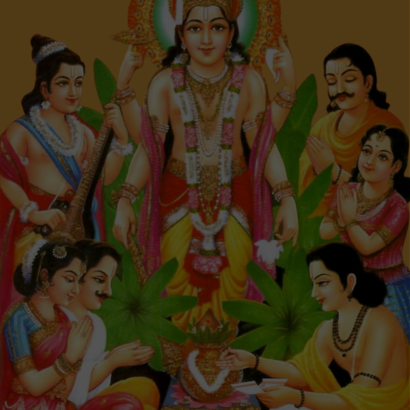
Devata Puja for Your Chosen Deity
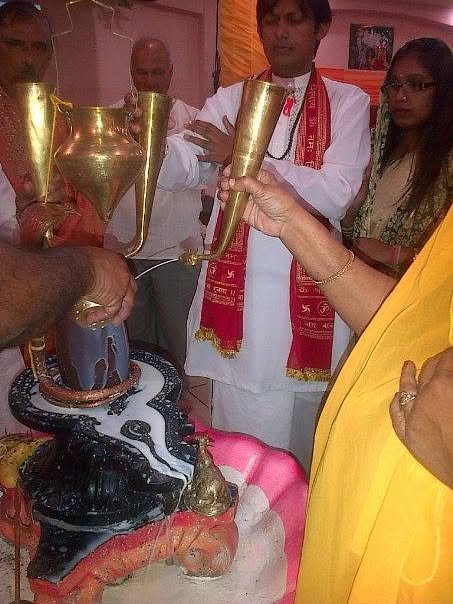
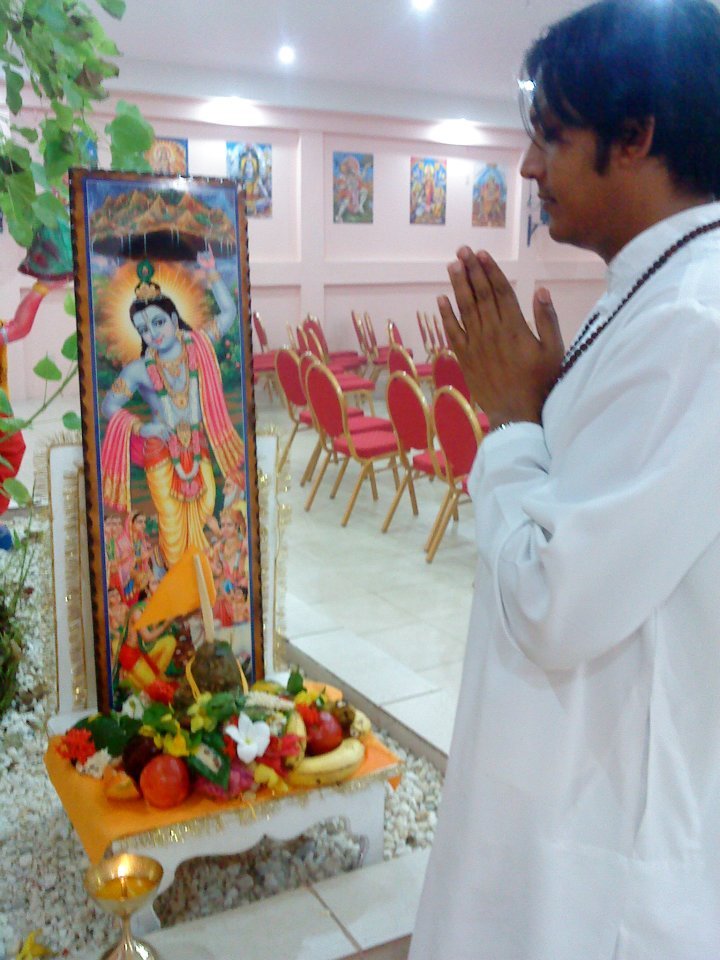
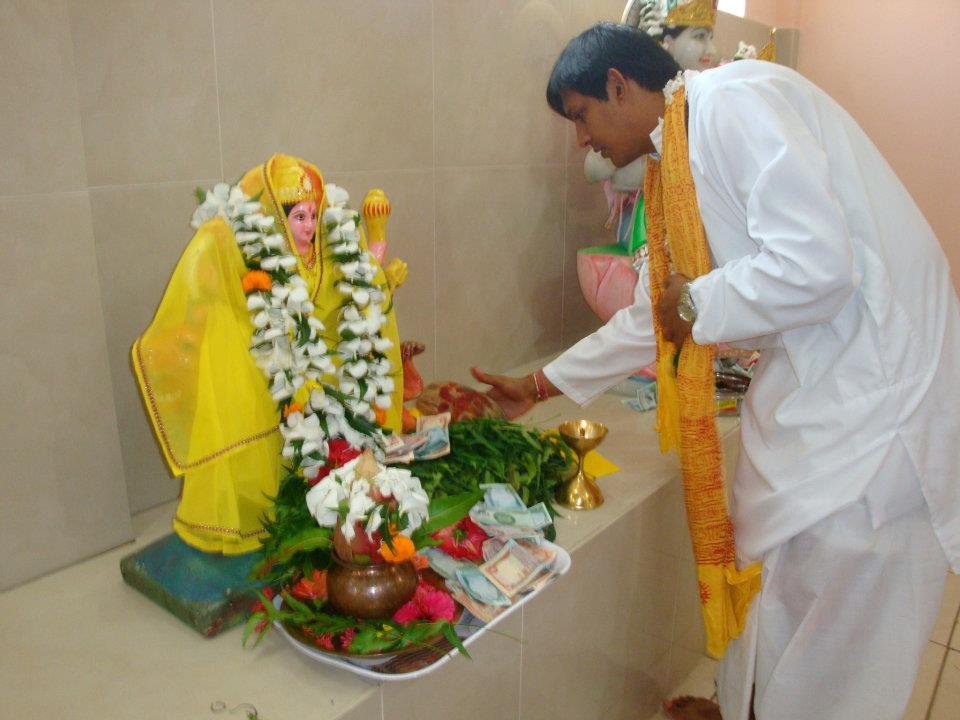
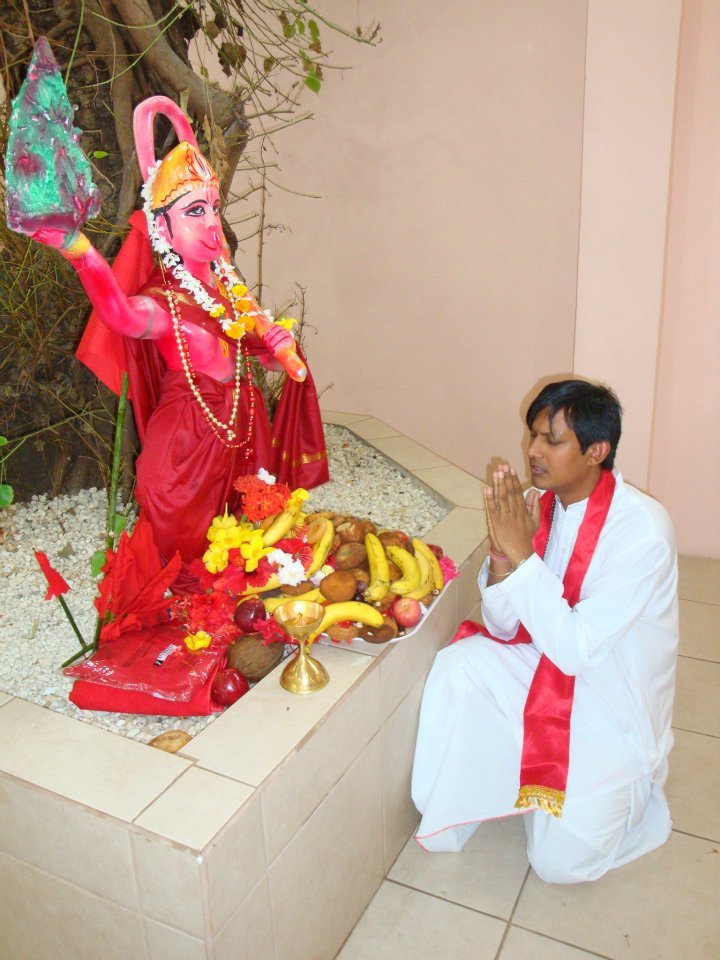
Devata Puja is a focused Hindu worship to honour one clear form of Bhagwan who protects, guides, and sustains you and your family, such as Ganesh Ji, Shiva Ji, Lakshmi Maa, Durga Maa, or Hanuman Baba. This page explains simple devata concepts and how Pt Shiva Janak can guide a respectful, Indo-Caribbean-style Devata Puja for your home or mandir.
What is Devata Puja for a chosen deity?
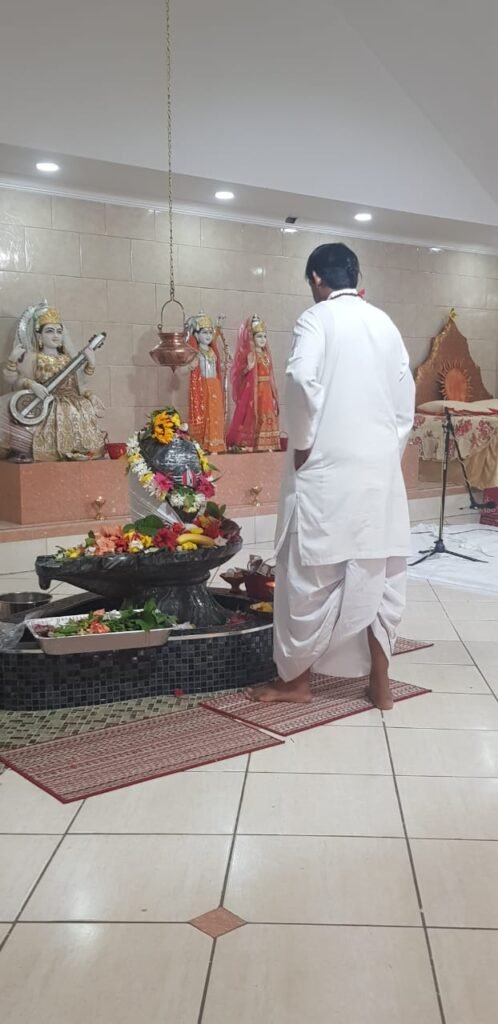
Devata Puja is a focused worship where you mainly honour one specific devata form, such as Ganesh Ji, Shiva Ji, Lakshmi Maa, Durga Maa, or Hanuman Baba, or your family’s village or ancestor‑protecting deity. Hindu teachers explain that devotion often deepens and steadies when you build a regular relationship with a single clear devata form.
In Indo‑Caribbean Hindu life, many families centre their puja around one or a few main devatas that have protected them over generations. This creates a strong sense of identity, continuity, and trust in that particular form of Bhagwan.
- Common devatas for family puja include Ganesh Ji, Shiva Ji, Vishnu Ji or Satyanarayan Swami, Lakshmi Maa, Saraswati Maa, Durga Maa, Kali Maa, and Hanuman Baba.
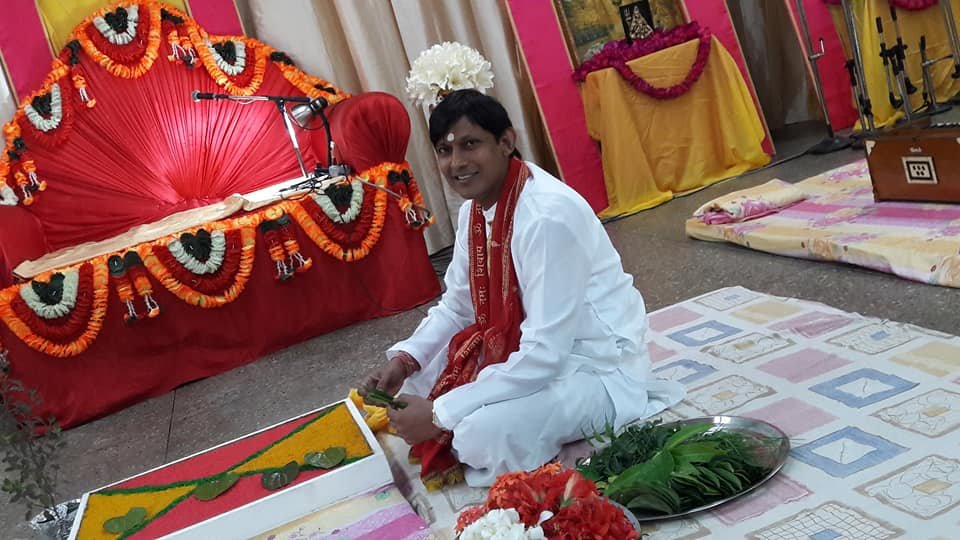
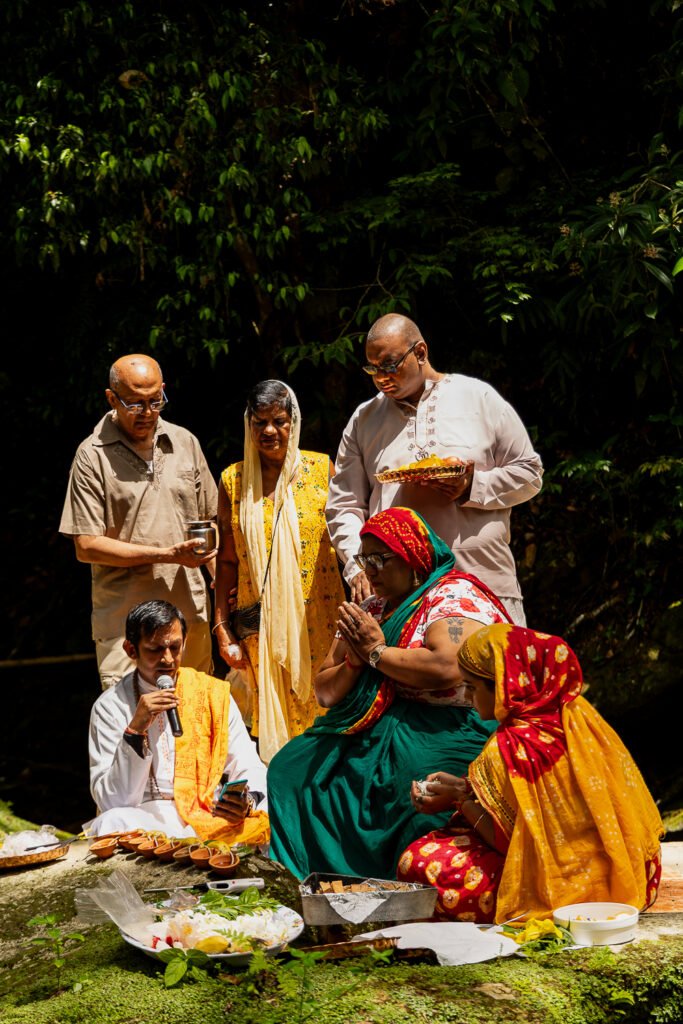
- Devata Puja can be done at home, in a mandir, or at a special spot connected with your Parampara (family or village tradition).
WhatsApp Pt Shiva Janak to arrange a focused Devata Puja for your specific devata, at home or in a mandir.
What are pradhan, ishta, kul, sthan, and gram devatas?
Hindu tradition uses several helpful ideas to explain how a person or family connects with devatas. These simple definitions can guide your focus during your Devata Puja.
What is a pradhan devata?
Pradhan devata means the “main deity” you place at the centre of your spiritual life right now. It is usually the devata whose name you call first in joy or in trouble.
- For some, the pradhan devata may be Shiva Ji or Vishnu Ji; for others, it may be Devi, Hanuman Baba, or Ganesh Ji.
- Your Devata Puja can be shaped so that this pradhan devata remains clearly at the centre of your daily or yearly worship.
What is an Ishta devata?
Ishta devata means “chosen deity” or “beloved form of God” that you feel most connected to in your heart. Many teachers say that devotion to an Ishta devata helps the mind focus and makes daily worship easier and more natural.
- Your Ishta devata may or may not be the same as your family deity.
- A Devata Puja can help you deepen this personal heart‑connection, while still honouring your wider family tradition.
What is a kul devata?
Kul devata is the “family deity” who has protected your family line (kul) over many generations. In Indo‑Caribbean history, many ancestors carried their kul devata traditions from India onto the estates and into villages and towns.
- Respect for kul devata is closely linked with family protection, continuity, and gratitude to ancestors.
- A Devata Puja for kul devata can be a powerful way to remember and honour your lineage.
What is a sthan devata?
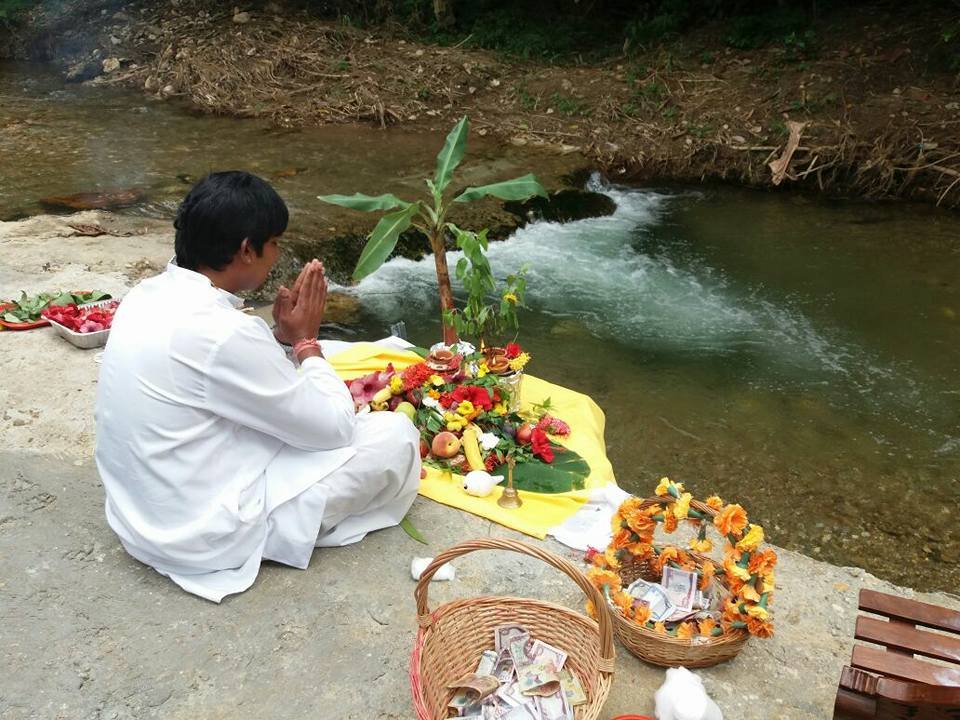
Sthan devata is the “place deity” or guardian of a particular location such as a home, mandir, village, river, or crossroads. Some traditions honour the Sthan devata before building, moving in, or starting major activities at a new place.
- This shows respect for the spiritual forces already present at that spot.
- A Sthan devata puja can support harmony and protection for home or land.
What is a gram / ghram devata?
Gram devata (often heard as “Ghram devata” in Caribbean speech) is the “village deity” or local guardian of a community. In the Caribbean, many rural areas developed strong “village devata” worship at small mandirs, yards, and open‑air yajnas, similar to village goddess and guardian traditions in India.
- Gram devata worship often brings a sense of shared protection and community identity.
- Devata Pujas can be arranged for village or community devatas at home shrines, mandirs, or open‑air spaces.
WhatsApp Pt Shiva Janak to officiate puja for your pradhan, ishta, kul, sthan, or gram devata according to your family tradition.
What are the traditional benefits of worshipping specific devatas?
The points below reflect how many Hindus and traditional teachers describe the effects of devata worship; they are devotional understandings, not fixed guarantees. Each devata has particular qualities that devotees connect with in prayer and daily life.
Key devatas and their traditional focus
| Devata | Traditional focus of worship | Common devotional benefits described in Hindu teachings |
|---|---|---|
| Ganesh Ji | Remover of obstacles; lord of beginnings and wisdom. | Helps devotees start new projects, studies, or journeys with clearer minds and fewer obstacles; invites steadiness and good judgment. |
| Shiva Ji | Lord of transformation, meditation, deep inner strength. | Supports letting go of negative patterns, facing challenges with courage, and turning the mind towards spiritual growth and peace. |
| Vishnu Ji / Satyanarayan Swami | Preserver of the universe; protector of truth and order. | Linked with stability, family harmony, gratitude for blessings, and a sense of safety and support in dharma (right living). |
| Lakshmi Maa | Goddess of prosperity, beauty, and auspiciousness. | Associated with the graceful flow of material and spiritual abundance, cleanliness, and a respectful, harmonious home. |
| Saraswati Maa | Goddess of knowledge, arts, and speech. | Supports learning, clarity in studies, music and arts, and refined, truthful communication. |
| Durga Maa | Protective Mother who destroys strong negativity. | Seen as giving shakti, courage, and protection when facing heavy difficulties or inner weaknesses. |
| Kali Maa | Fierce Mother who cuts through fear and ignorance. | Connected with deep inner cleansing, facing fears, and breaking strong negative habits at their root. |
| Hanuman Baba | Devotee of Rama; symbol of strength, courage, and loyal service. | Linked with protection from fear and harmful influences, physical and mental strength, and unshakable devotion. |
How does Pt Shiva Janak guide your Devata Puja?
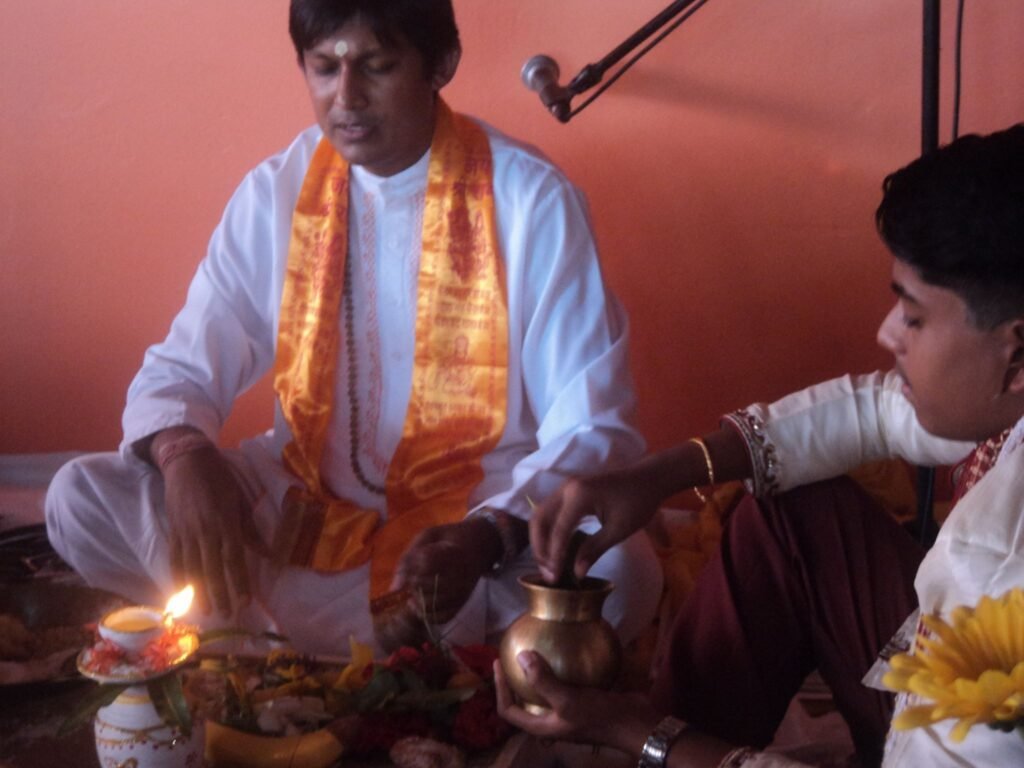
For a Devata Puja, Pt Shiva Janak offers clear guidance so your worship feels scripturally respectful and culturally rooted in Indo‑Caribbean practice. The focus is on the devata who truly lives in your family’s heart.
During your Devata Puja, Pt Shiva Janak will:
- Help you identify which devata form you wish to honour.
- Plan the puja so that mantras, offerings, and stories match that specific devata and your family tradition.
- Guide your family step‑by‑step so everyone can understand what is happening and join in the worship.
This approach keeps the puja respectful to scripture, true to Indo‑Caribbean practice, and personalised to your home or community.
How do you book a Devata Puja with Pt Shiva Janak?
If you feel it is time to formally honour your chosen devata, your kul devata, or the guardian devata of your home or village, a focused Devata Puja can be a meaningful way to reconnect with that sacred relationship. The booking process is kept simple so your family can prepare with confidence.
To book a Devata Puja, WhatsApp Pt Shiva Janak to:
- Share which devata you wish to worship and whether it is pradhan, ishta, kul, sthan, or gram devata.
- Say whether the puja is for home, mandir, or a special occasion such as a house blessing or village event.
- Receive basic preparation guidance, suggested offerings, and available dates so your puja can be arranged smoothly.
Let your Devata Puja be a clear, beautiful offering to the specific form of Bhagwan who guards your journey and your generations.
Login to your account
Log in to Deeds2?
Login to your account
Log in to Deeds2?
Login to your account
Log in to Deeds2?
Login to your account
Log in to Deeds2?
Sign In
Already A Member?
Please allow the anyone can register option from general settings.
Login to your account
Log in to Deeds2?
Sign In
Already A Member?
Please allow the anyone can register option from general settings.
Sign In
Already A Member?
Please allow the anyone can register option from general settings.
Sign In
Already A Member?
Please allow the anyone can register option from general settings.
Login to your account